Stories
Developer engagement insights, platform updates, and release notes from the Prophet team.
The social platform map keeps shifting under content strategy
A Pew Research Center survey of U.S. adults finds YouTube, Facebook, and Instagram used by 83, 68, and 47 percent respectively, with TikTok climbing from 21 percent in 2021 to 33 percent in 2023. The harder problem for any content strategy is that these audiences do not overlap evenly, and they split sharply by age.
Latest guides
Practical playbooks on persona-driven content, multi-platform orchestration, and measuring social pulse across developer communities.
Independent creators have become a primary information channel
A Pew Research Center study finds that 21 percent of U.S. adults regularly get news from news influencers on social media, rising to 37 percent among adults 18 to 29, and that 77 percent of the influencers studied have no past or present affiliation with a news organization. The shift reshapes who audiences treat as a credible source.

Predicting how a post will land before it is published
A study in the journal Kinetik tests graph neural networks that estimate a post's engagement and viral status from pre-posting features alone, reaching a Precision@1 percent of 0.75 for spotting the rare viral post while showing limited ability to predict exact engagement counts. The result marks both the promise and the ceiling of forecasting reach ahead of time.
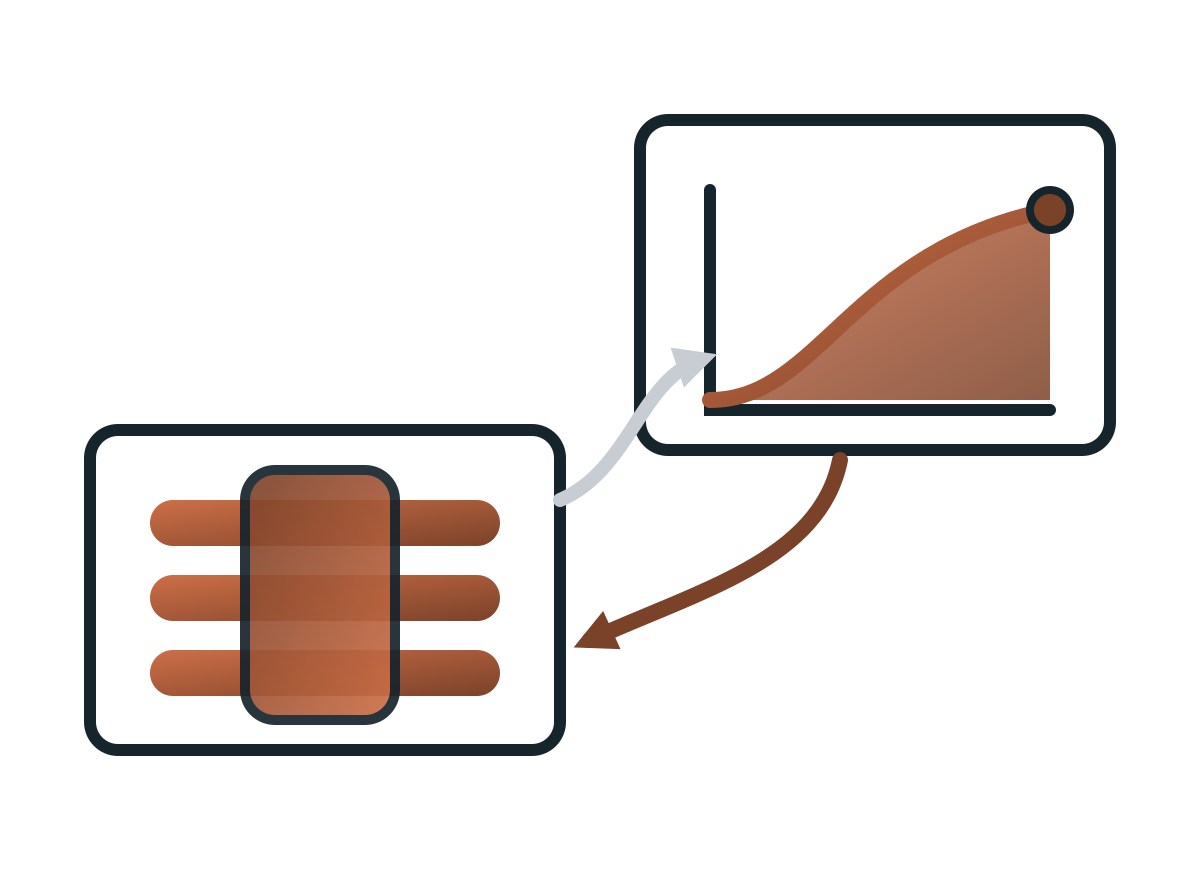
Likes prove far more predictable than comments
A study using emotional and temporal features to forecast engagement reports an R-squared of 0.98 for predicting likes but only 0.41 for comments, a gap the authors attribute to conversation being driven by more complex factors than immediate reception. The split reframes how different engagement signals should be read.
Reading sentiment at scale runs into sarcasm and slang
A study named TWSSenti combines five transformer language models to classify sentiment in noisy social media text, reporting 94 percent accuracy on the Sentiment140 benchmark and 95 percent on IMDB. The work illustrates both how far automated sentiment reading has come and the informal-language problems that still limit it.
How a self-scoring forecasting platform is put together
A social forecasting platform can be described at the level of its major components and the connections between them. The recurring pieces are persona-based content generation, an orchestration layer that adapts posting behavior to live conditions, a split between an engine and a control plane, a forecasting loop that records predictions and later compares them against realized outcomes, and a time-series store that holds both. This is a conceptual walkthrough of those components and how they fit together.