Story Details
Explore our blog and resources for valuable insights, expert opinions, and up-to-date information on the latest trends in the industry.
How a self-scoring forecasting platform is put together
Self-Scoring Forecasting
Treating the forecast as a first-class object
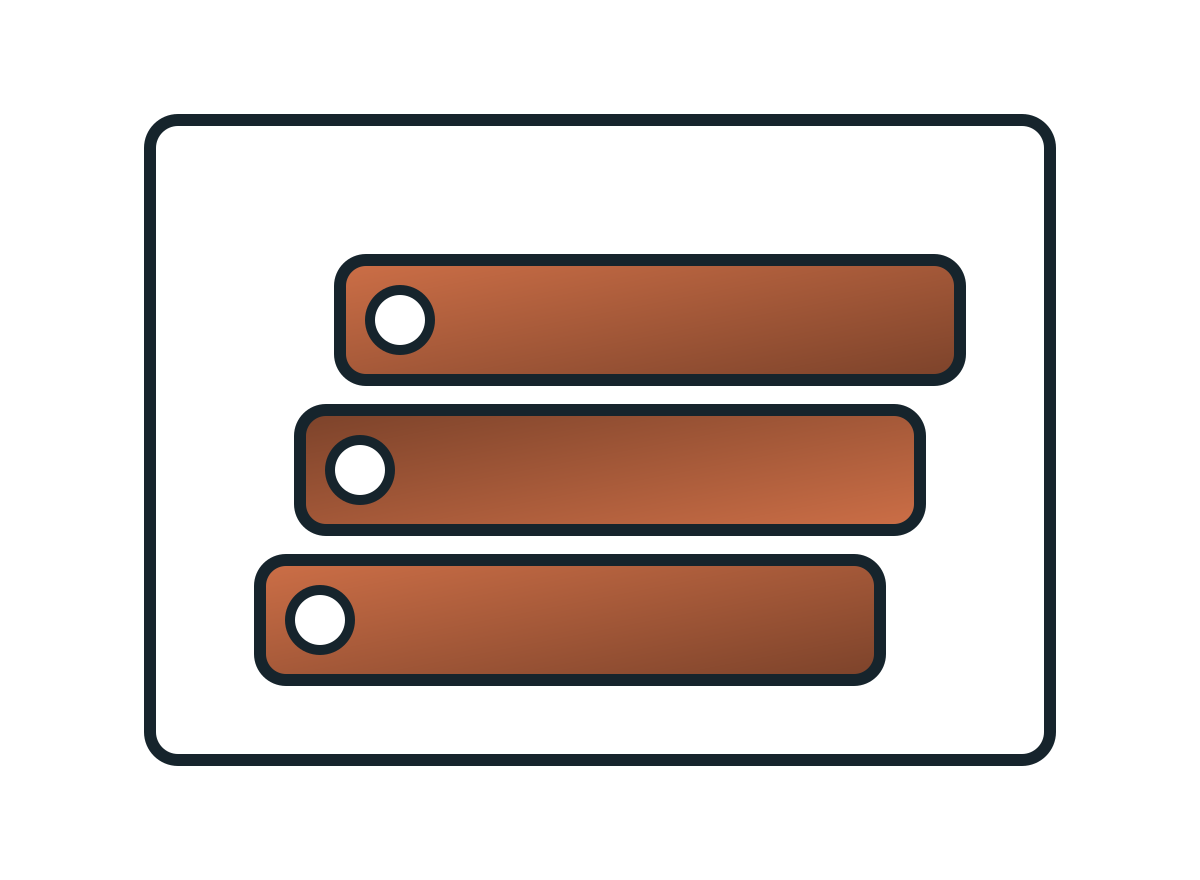
Much social tooling reports engagement after the fact. A scheduler queues a post, a dashboard tallies reactions and views once it lands, and analytics summarize what already happened. A self-scoring design begins one step earlier by treating an engagement forecast as an object that is recorded when the prediction is made. Because the prediction is stored, it can later be placed next to the realized outcome and compared. That comparison, predicted against actual, is the organizing idea the rest of the architecture is built to support.
The problem space for developer-facing content
Content aimed at a technical audience raises a distinct set of concerns that shape the design. Voice is one: a technical reader expects a consistent, expert authorial tone across posts, which places a premium on how content is authored. Reach is another: a code repository host, a discussion forum, a federated microblog, and a video platform each carry their own APIs, formats, and rate limits, so a design has to account for surfaces that behave differently. Feedback is the third: an expectation about how a campaign will perform and the result it actually produces often live in separate places and formats, which is the gap a self-scoring loop is meant to close.
- Voice: content is authored in a consistent authorial tone across posts.
- Reach: each surface has its own API, format, and rate-limit regime.
- Feedback: prediction and outcome are held together so they can be compared.
Persona-based generation with a human in the loop
A persona is a defined authorial voice with a fixed tone and area of expertise, applied consistently so that content across platforms reads as one contributor. Persona definitions and content-generation rules live in the engine as structured configuration, and a persona manager selects among them per platform and campaign. Generation calls a pluggable language-model provider layer, chosen by configuration, so the platform can target different vendors. Output passes through a human approval workflow, which keeps a reviewer positioned between generation and publication.
Adaptive orchestration through the Governor
The Governor is the component that lets posting behavior respond to live conditions. It runs a loop that observes, recommends, resolves, and applies. A set of monitors watches health, rate limits, queue depth, resources, and performance, and a feedback coordinator holds a rate adjuster and a priority adjuster that act on those signals. When a platform approaches a rate limit or the content queue backs up, the Governor throttles the posting rate and re-prioritizes work, which is how the system stays within a platform's limits. This observe-to-apply pattern is drawn from a control model used elsewhere, applied here to social distribution.
- A loop of observe, recommend, resolve, apply.
- Monitors for health, rate limits, queue depth, resources, and performance.
- Rate and priority adjusters throttle and re-prioritize under pressure.
Engine and control plane, kept apart
The architecture separates an engine from a control plane and keeps them off a shared HTTP surface. The engine holds a controller hierarchy that composes content, generation, and scheduling sub-controllers together with the Governor and a backend modem. A FastAPI backend exposes the REST API, handles identity, and forwards engine traffic. Between them runs a message transport built on ZeroMQ, an open-source messaging library, carrying payloads encoded with Protocol Buffers, a language-neutral serialization format. Two one-directional channels split the traffic so telemetry and control stay on separate sockets: reports flow on a publish-subscribe channel, and commands flow on a push-pull channel. This split lets the forecasting and orchestration layers carry their message volume on independent paths.
The self-scoring forecasting loop and where it is stored
The trend forecaster produces rolling forecasts over social metrics such as views, reactions, comments, shares, engagement rate, followers, and impressions, using a small family of models: a naive last-value carry-forward, a linear regression, and Holt exponential smoothing that tracks a level and a trend. A prediction is emitted as a forecast-point record and streamed into a unified forecast-points stream. When the realized outcome for that time and metric becomes known, it is backfilled into the same stream, so predicted and realized values sit side by side keyed by metric and time. Both land in TimescaleDB, a time-series database packaged as a PostgreSQL extension that organizes data into hypertables and precomputes continuous aggregates, which is what lets a campaign-scoped view read long spans of predicted and realized points and render their trajectories together.
- Models: naive carry-forward, linear regression, Holt level-and-trend smoothing.
- Predictions emitted as forecast-point records into a shared stream.
- Predicted and realized values persisted side by side in a time-series store.
How the pieces fit together, and where surfaces stand
Read as a whole, the components form a single flow. Persona-based generation authors content in a held voice and passes it through human review, the Governor decides when and how fast it goes out while adapting to live conditions, the engine and control plane exchange reports and commands over separate channels, and the forecaster records a prediction for each metric and later sets it beside the realized outcome in the time-series store. The platform meets each platform through surface adapters behind that same control plane. Some surfaces are operational, including a microblog, a federated microblog, and a discussion forum. Others, such as a video platform, a code repository host, and a professional network, are part of the design and sit on the roadmap. Because a new surface is another adapter behind the same control plane, broadening coverage extends reach without reshaping the architecture, and feeding forecast accuracy back into orchestration is a direction the design is built to grow.
- Operational surfaces: a microblog, a federated microblog, and a discussion forum.
- Planned surfaces: a video platform, a code repository host, and a professional network.
- Each surface is an adapter behind the same control plane.
Prophet Team
The Prophet Team writes about social media intelligence and analytics, drawing on published survey research and peer-reviewed studies to survey how content strategy, audience behavior, and engagement measurement are changing.
More from Prophet
Independent creators have become a primary information channel
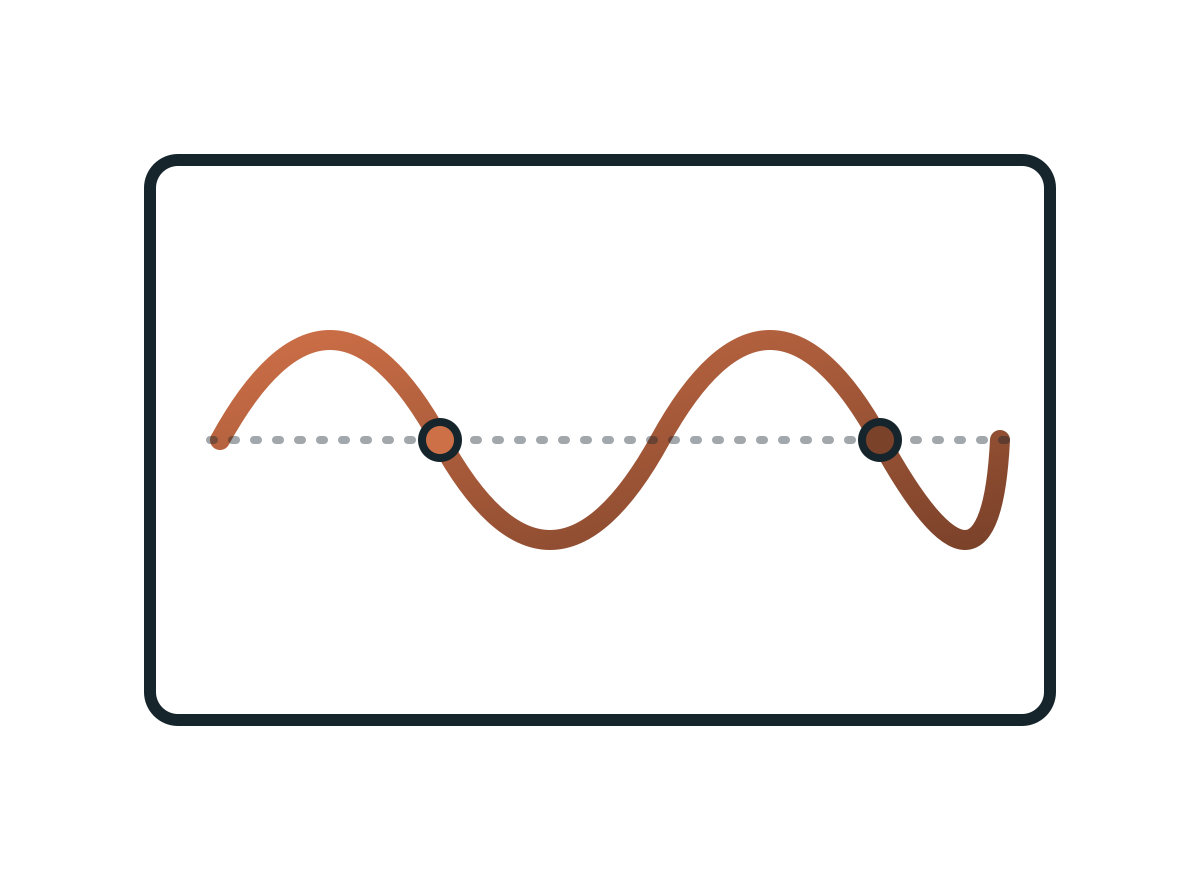
A Pew Research Center study finds that 21 percent of U.S. adults regularly get news from news influencers on social media, rising to 37 percent among adults 18 to 29, and that 77 percent of the influencers studied have no past or present affiliation with a news organization. The shift reshapes who audiences treat as a credible source.
Predicting how a post will land before it is published
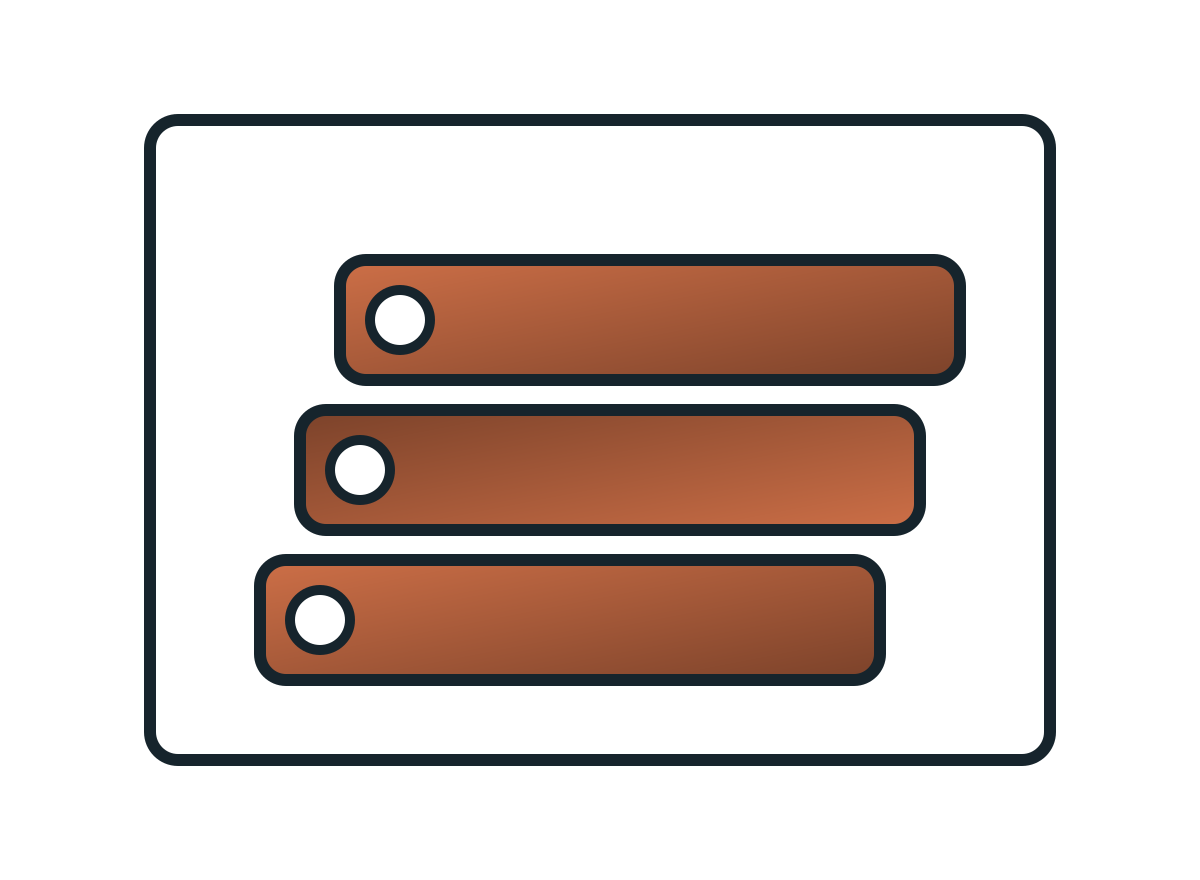
A study in the journal Kinetik tests graph neural networks that estimate a post's engagement and viral status from pre-posting features alone, reaching a Precision@1 percent of 0.75 for spotting the rare viral post while showing limited ability to predict exact engagement counts. The result marks both the promise and the ceiling of forecasting reach ahead of time.