Story Details
Explore our blog and resources for valuable insights, expert opinions, and up-to-date information on the latest trends in the industry.
Likes prove far more predictable than comments
Emotional Drivers
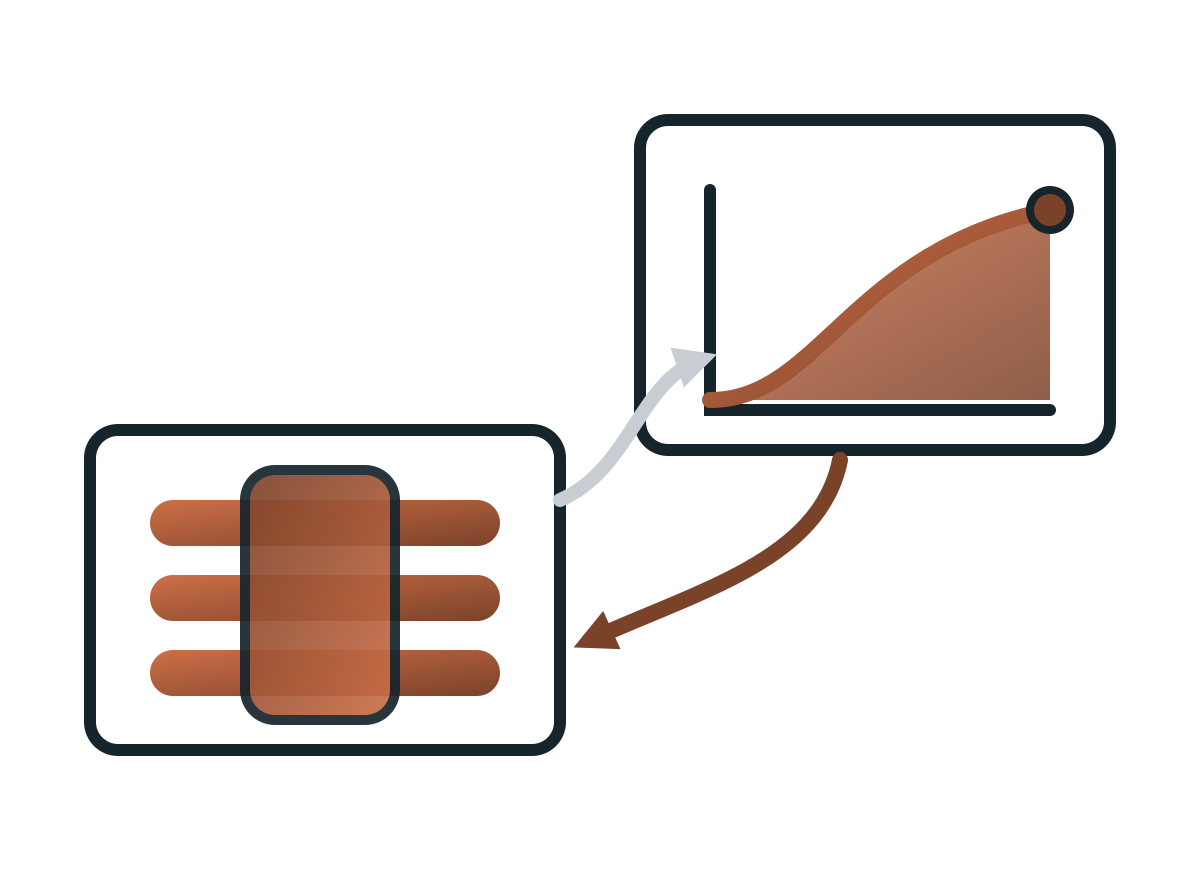
Two engagement signals, treated separately
Engagement is usually reported as a single bucket, yet a like and a comment reflect different acts. A study on predicting social media engagement from emotional and temporal features separates the two, forecasting likes and comments independently for a set of 600 songs annotated with emotional characteristics. Keeping the targets apart is what lets the analysis show that the two behave differently, which a combined metric would hide. Source: https://arxiv.org/html/2508.21650
What the features capture
The inputs fall into two families. Emotional features describe the content's affective character across ten dimensions including valence, arousal, tension, happy, dark, sad, and angry, while temporal features record when a piece was posted through its age in days, upload month, and day of week. The premise, grounded in earlier marketing and psychology research the paper cites, is that a post's emotional tone and its timing both shape how an audience responds. The model, a gradient-boosting regressor, learns the mapping from these features to the two engagement counts.
- Ten emotional dimensions such as valence, arousal, and tension.
- Temporal features: age in days, upload month, day of week.
- Likes and comments predicted as separate targets.
The gap between a like and a comment
The headline result is the contrast between the two predictions. The model reaches an R-squared of 0.98 for likes but only 0.41 for comments, where R-squared measures how much of the variation the model accounts for, from zero to one. A comparison makes the finding concrete: a like is a fast, low-effort reaction to a post's immediate emotional pull, and the features capture it well, while a comment demands more from the reader and depends on factors these inputs do not see. The authors describe likes as a highly predictable measure of immediate reception and comments as driven by more complex factors.
Not all engagement reads the same
The practical implication is that pooling all engagement into one score obscures how differently its parts behave. A signal that reflects immediate reception can be anticipated from content and timing, while one that reflects conversation resists the same treatment. Reading the two apart gives a truer picture of how content lands. Which additional features might make conversational engagement more predictable, and whether the pattern holds beyond this dataset, are the directions the work points toward next.

Prophet Team
The Prophet Team writes about social media intelligence and analytics, drawing on published survey research and peer-reviewed studies to survey how content strategy, audience behavior, and engagement measurement are changing.
More from Prophet
Independent creators have become a primary information channel
A Pew Research Center study finds that 21 percent of U.S. adults regularly get news from news influencers on social media, rising to 37 percent among adults 18 to 29, and that 77 percent of the influencers studied have no past or present affiliation with a news organization. The shift reshapes who audiences treat as a credible source.
Predicting how a post will land before it is published
A study in the journal Kinetik tests graph neural networks that estimate a post's engagement and viral status from pre-posting features alone, reaching a Precision@1 percent of 0.75 for spotting the rare viral post while showing limited ability to predict exact engagement counts. The result marks both the promise and the ceiling of forecasting reach ahead of time.